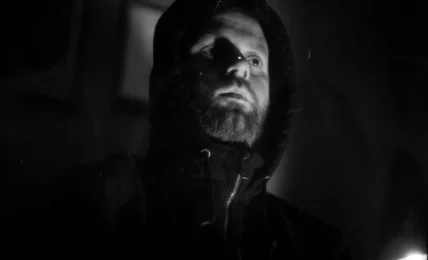
Digital America interviewed Juan Sebastian Restrepo in April 2026 on their work on GATEKEEP ™
:::

:::
Digital America: GATEKEEP™ (2026) is a short video that uses the polished style of luxury pharmaceutical advertising to critique gatekeeping in museums, galleries, and cultural institutions. What led you to use that visual language, and what does that format let you say about exclusion, access, and belonging in the art world?
Juan Sebastian Restrepo: GATEKEEP™ came from a desire to directly critique the structures of power within the art world. I chose the visual language of luxury pharmaceutical advertising because it carries a sense of authority, trust, and desirability—qualities that mirror how cultural institutions present
themselves. That format allowed me to frame access, influence, and even knowledge as commodities—something prescribed, controlled, and distributed to a select few. By mimicking this language, I could highlight how exclusion operates subtly, often masked as professionalism or standards of quality. It also let me point to how belonging is not neutral, but something that is regulated—where individuals are made to feel included or excluded based on their proximity to
power. The commercial format reinforces how these dynamics are normalized and even aspirational, encouraging people to accept and reproduce them, often at the expense of more equitable, human-centered values.
DigA:The video looks sleek, persuasive, and professional, even as it points to systems that quietly control who gets seen, supported, and welcomed. What drew you to using such a visual style to discuss something as difficult as institutional exclusion?
JSR: What drew me to that visual style was precisely its ability to persuade while concealing. The sleek, professional language of corporate and pharmaceutical advertising carries an assumed legitimacy—it feels trustworthy, neutral, and authoritative. I was interested in using that aesthetic to reflect how institutions often present themselves in similar ways, even while maintaining systems of exclusion. From my experience, these dynamics are rarely addressed openly; instead, they’re softened through carefully constructed narratives around equity, inclusion, and support. At the same time, I’ve seen how exclusion can function as a tool—particularly against emerging voices and marginalized artists—while institutions continue to celebrate more “acceptable” or historic figures. By adopting this polished visual language, the work exposes that contradiction: how something can look welcoming and progressive on the surface while quietly reinforcing control over who gets seen, supported, and allowed to belong. The commercial format also underscores how these systems operate like a kind of branding strategy —one that aligns with donor interests and market value—making exclusion feel not only normal, but necessary.
DigA: What interested you about using the language of care and self-management in such a controlled, branded way, and how does that connect to broader systems that make exclusion look normal or even necessary?
JSR: I was interested in using the language of care and self-management because it carries an inherent sense of trust, authority, and reassurance. Systems of care—like healthcare—are built on the idea of helping, diagnosing, and improving conditions, but they also rely on structures of expertise, control, and compliance. That overlap felt important to me. By translating that language into the context of the art world, I wanted to highlight how similar frameworks operate —where institutions position themselves as caretakers of culture while simultaneously regulating access, taste, and legitimacy. The clinical tone, with its emphasis on reason, diagnosis, and treatment, becomes a way to justify exclusion, making it feel logical, necessary, and even beneficial. In that sense, exclusion is reframed not as harm, but as a form of maintenance or quality control. What interested me most was how easily this removes humanity from the process, replacing lived experience with institutional authority. The work ultimately points to how these systems normalize exclusion by embedding it within the language of care, making it appear neutral, responsible, and in service of a greater good

DigA: Your work moves across painting, drawing, and video, and projects such as multitasking and 11:11 suggest an ongoing interest in contemporary life, media imagery, and personal experience. How does GATEKEEP™ fit into that larger practice, and what are you working on now?
JSR: My work across painting, drawing, and video is driven by a desire to stay grounded in personal experience while resisting the commodification of ideas. Projects like multitasking and 11:11, as well as GATEKEEP™, all come from the same place of observing contemporary life and trying to translate it into visual form in a way that feels immediate and honest rather than overly packaged or diluted over time.
GATEKEEP™ fits into this larger practice as a more explicit critique of institutional power and the systems that shape visibility, access, and value within the art world. While my work often begins with personal experience, it expands into broader cultural questions about how meaning is produced and controlled, and how people navigate those structures while trying to maintain a sense of self.
Right now, I’m continuing to develop work across painting, drawing, and video that explores how images, language, and systems of power influence how we see ourselves and others. I’m particularly interested in how contemporary life is filtered through corporate, cultural, and social frameworks, and how art can interrupt or reframe that experience to reveal what is often left out —especially forms of humanity that feel absent or suppressed within dominant visual and cultural systems.
DigA: What are you working on now?
JSR: I’m currently working on a series of paintings and drawings that challenge how we look at and understand the human figure. I’m interested in reframing painting by presenting the body as something malleable, while also examining the relationships between people—both visible and implied. These works explore how systems and corporate structures create distance between individuals, shaping how we perceive one another and, at times, reducing our sense of shared humanity. Through composition and fragmentation, I want to reflect a condition where people feel disconnected, even while believing they are being seen or valued.
At the same time, I’m developing new video performances that continue my interest in institutional critique, particularly around American work culture. One project focuses on employees watching a training video that gradually reveals the manipulation, surveillance, and cult-like dynamics that can exist within corporate environments. Across both mediums, I’m interested in how power operates subtly—through images, language, and behavior—and how it shapes our understanding of ourselves and others.
:::
Check out their work: GATEKEEP ™
:::
 Juan (Zeb) Restrepo is an interdisciplinary artist working with video, performance, and digital media to examine institutional systems, cultural power, and everyday mechanisms of exclusion. He is an independent artist and educator based in the United States, working at the intersection of contemporary art and critical media practices. His work has been featured in exhibitions, screenings, and online platforms focused on political satire, digital culture, and conceptual art.